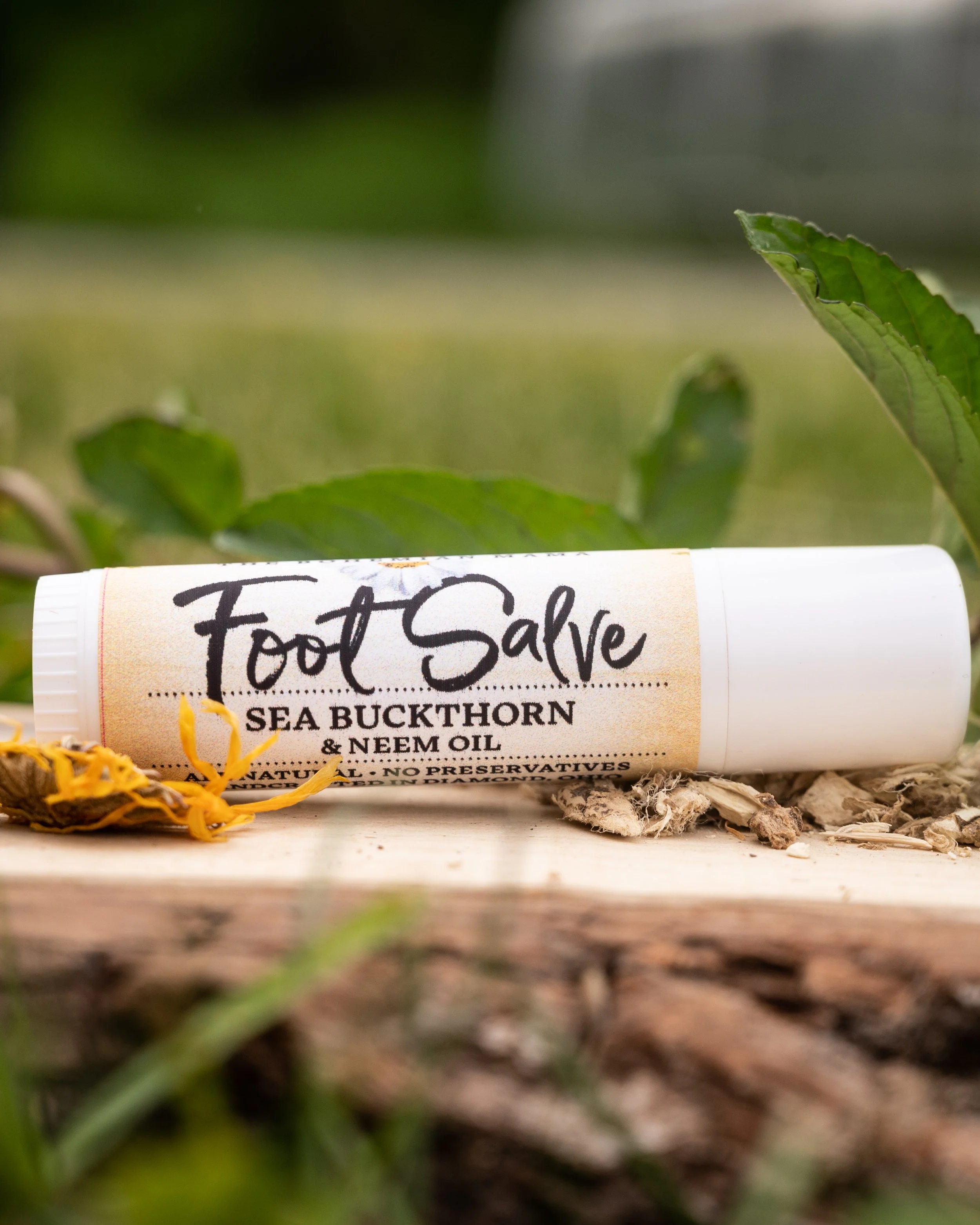
 Image 1 of 4
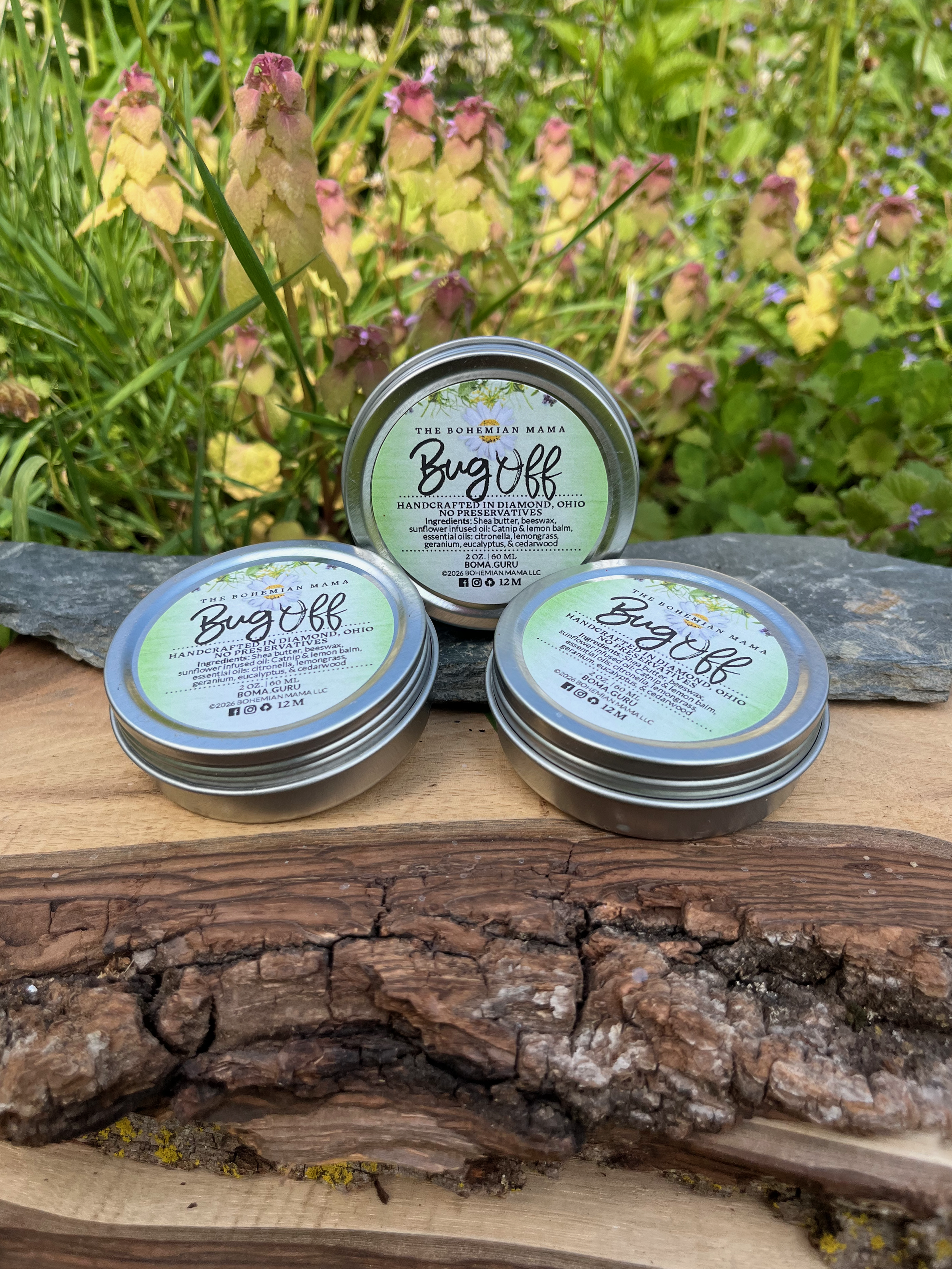
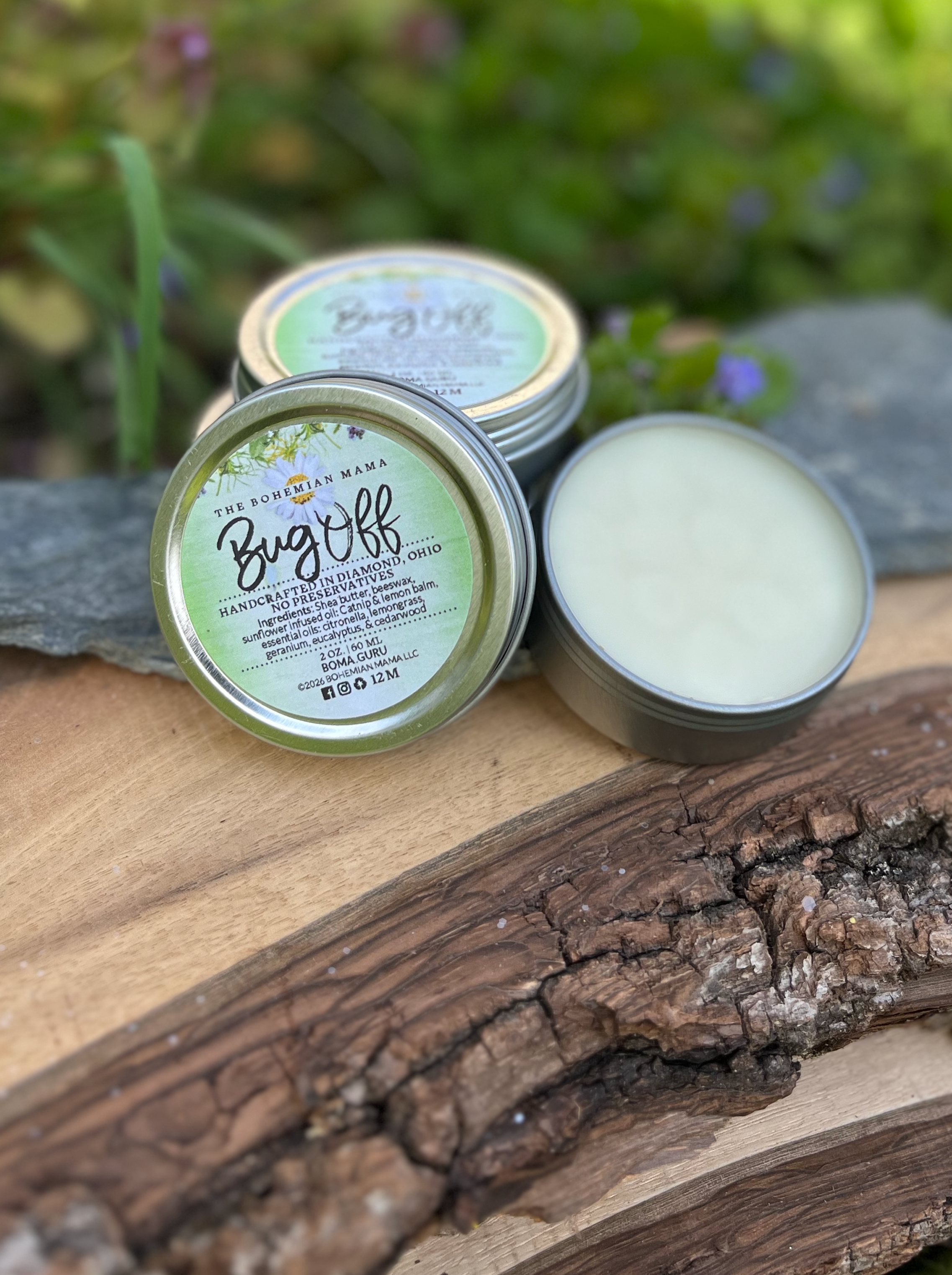 Image 2 of 4
 Image 3 of 4
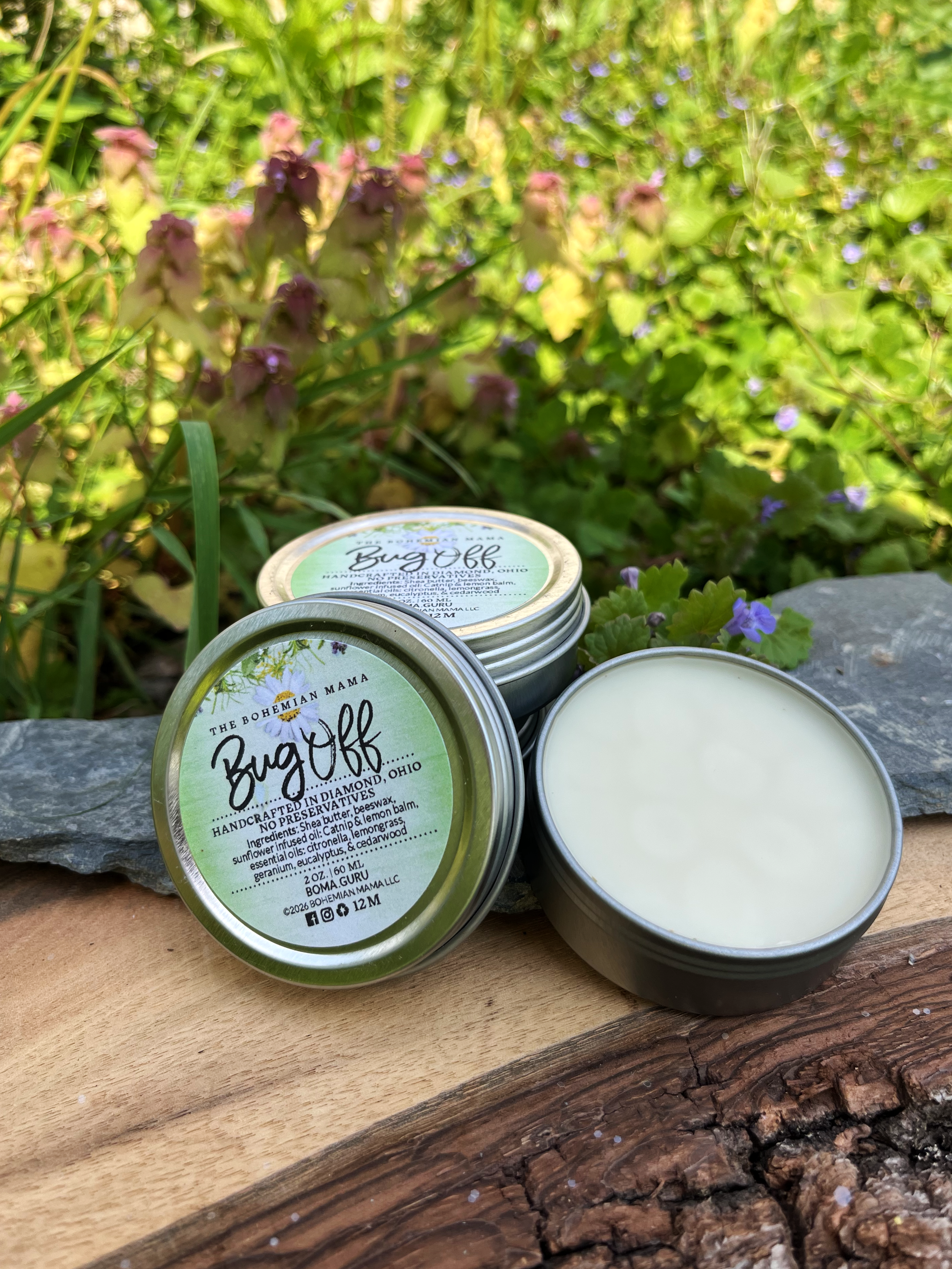 Image 4 of 4
3 reasons people are rethinking DEET:
It’s been linked to neurological effects with heavy use. Reports going back decades have associated excessive DEEt exposure with symptoms like seizures, disorientation, and agitation. Most cases involved overuse, but the patter is worth knowing about, especially if you’re spraying it on kids every day all summer.
It absorbs into your skin and enters your bloodstream. DEET doesn’t just sit on the surface. Studies show it can be detected in the blood within hours of application and is processed through the liver before leaving the body. For most adults in normal use that’s probably fine. but for parents putting it on young children repeatedly, it’s a reasonable thing to factor in.
It’s showing up in waterways. DEET is consistently detected in rivers and streams, largely from people swimming or showering after application. it doesn’t break down quickly in water, which raises some legitimate environmental concerns beyond just personal health.
So what actually works?
This is where things get interesting. Herbal repellents aren’t just old wives’ tales. The science behind them is genuinely solid.
Catnip. Iowa state University researchers found that nepetalactone, the active compound in catnip, can be up to ten times more effective than DEET at repelling mosquitoes in lab tests. Research published in current biology later confirmed it works by activating an irritant receptor in insects that simply doesn’t exist in humans.
Citronella, one of the most well studied plants based repellents out there. a systematic review of 62 trials found citronella provided complete protection for up to 9-11 hours against certain mosquito species. it’s been used for generations and the research backs it up.
This year, especially, I am paying close attention to ticks. Reports are already warning that the 2026 tick season has started early and aggressively and many families are looking for safer, effective ways to protect themselves outdoors.
This blend contains essential oils of cedarwood, lemongrass, lemon eucalyptus, and geranium to create a clean and effective formula. Why did I choose these essential oils, particularly to repel ticks?
Lemon eucalyptus and geranium are especially well known for their ability to help repel ticks, and oil of lemon eucalyptus has even been recognized as a plant-derived repellent ingredient. Cedarwood and lemongrass have also been studied for their insect-repelling properties and are commonly used in botanical repellents. For those who enjoy reading the research themselves, there are several PubMed-indexed studies on plant-based repellents and tick prevention, including research on oil of lemon eucalyptus (PMID: 16739469), geranium-derived compounds for tick repellency (PMID: 18279081), and broader evaluations of essential oils against ticks and biting insects (PMID: 31516316).